SHARE
SHAREIntelligence Unit 9900 usually prefers to remain deep in the shadows but following the Israel defence Prize win and the historic launch of Ofek 19 satellite, we received a rare glimpse into its operations.
In a prolonged, multi-front war, where the enemy constantly adapts, our ability to stay one step ahead is measured by a central element – advanced intelligence gathering. This can be compared to a beehive, where bees leave to collect nectar from nearby and distant flowers.
It’s a major challenge for them, as they depend on one another and on the type of flower from which they collect pollen, which ultimately turns into honey – over and over again. This simple but precise metaphor describes how Unit 9900 operates: collecting raw data from the field and processing it until it becomes actionable intelligence – relevant and up-to-date.
intelligence value chain
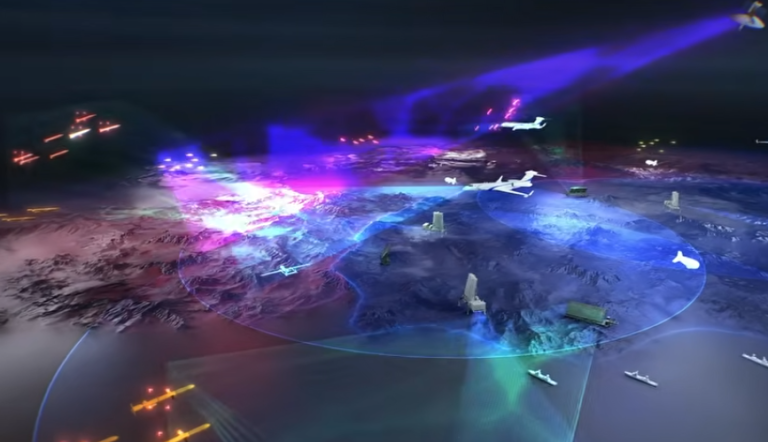
“We specialize in developing visual and geographic intelligence-gathering capabilities through advanced platforms – satellites, aircraft, UAVs, and drones,” explains Lt. Col. L., head of computing at Unit 9900. “What we collect through these tools is translated, using methods we of course cannot reveal here, into a comprehensive intelligence picture that provides crucial support for ground maneuvering, defensive operations, and generating high-value targets.”
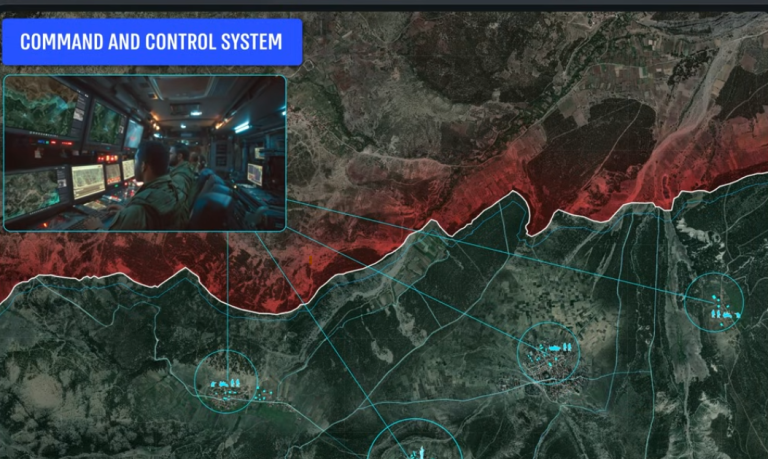
But they don’t work alone. This process happens in close cooperation with multiple operations. Lt. Col L says: “Collection is just one link in the ‘intelligence value chain.” After collection comes data processing, followed by research and analysis, and finally, delivering the intelligence insights to whoever needs them in the Israel defence Forces (IDF) – even down to the platoon commander in the field.
This capability isn’t built within Unit 9900 alone but is the result of coordinated development partnerships across the IDF, the Directorate of defence Research and Development (MAFAT), and various industries.
A zoomed-out perspective
In recent weeks, we have been exposed to several systems that operate under the radar – yet far above the ground. These include the reconnaissance aircraft of Squadron 122 (Nachshon), which won the Israel defence Prize, and the Ofek 19 reconnaissance and observation satellite (developed by IAI), launched at the beginning of September 2025.
“Each operational vector has its own advantage,” says Lt. Col. L. “Aerial reconnaissance gives us a top-down view – a zoomed-out perspective on the targets we are investigating.”
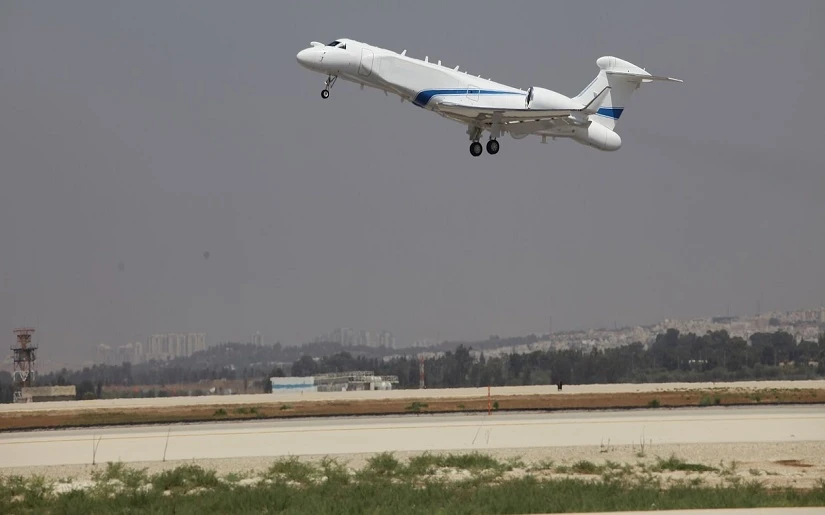
Take for example, the Oron, Eitam, and Shavit multi-mission aircraft. Each of the three aircraft represents a distinct capability, “and together they form an airborne system of command, control, and intelligence for any combat arena,” continues Lt. Col. L.
“The first,” the officer explains, “is the Oron (IAI-ELTA’s ISTAR), a platform on which our unit has placed special emphasis. It serves as an airborne air-to-ground sensor and control platform – scanning vast areas.” This aircraft has unique capabilities that make it a global leader in its field: “It creates intelligence in real time, or close to it – a critical component in protecting maneuvering forces. This capability allows us to identify potential threats and expand the scope of our early warning.”
How does it actually work? “Members of the airborne crew process the information live as it is collected. In addition, the land-based intelligence center of the Intelligence Directorate supports them from the ground, adding additional, high-quality layers of data processing – enabling a rapid pipeline from raw data to applied intelligence.”
Alongside this flagship project stand two others. “The Eitam (IAI ELTA’s AEW&C) is an early warning and airborne control aircraft, while the Shavit (IAI ELTA’s SIGINT aircraft) is an intelligence aircraft for monitoring the electromagnetic spectrum,” Lt. Col. L. notes briefly – but beyond that, their missions remain classified.
Confused? No need to worry, in summary: these airborne intelligence assets work alongside the UAV fleet and the Near-Earth satellites. As the officer explained: “Their role is to create intelligence using sensors in a defined area. It’s a general term for the process of gathering raw data and processing it into actional intelligence – generating a comprehensive situational picture of the area.”
“A significant boost in meeting security challenges”
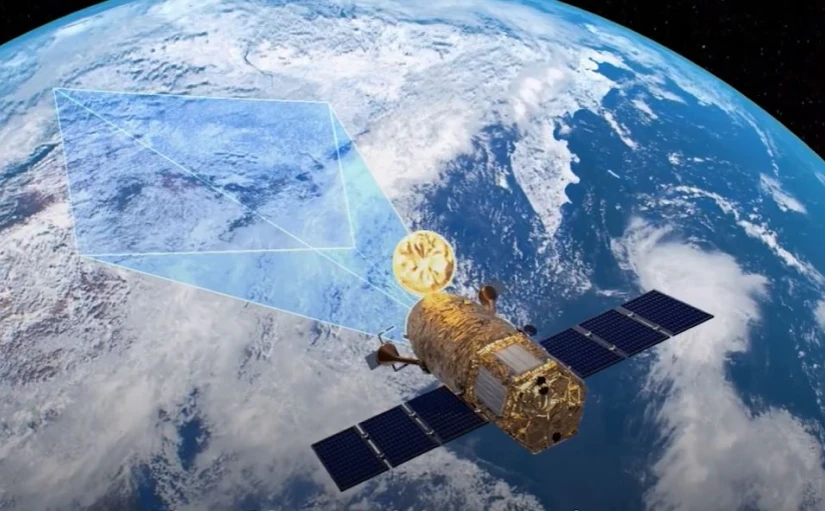
But the achievement doesn’t end there. Anyone who looked up at the sky on September 2nd witnessed another historic event: the spectacular launch of Unit 9900’s new satellite – Ofek 19. What at first may have seemed confusing, even slightly frightening, turned out to be an Israeli breakthrough in the field of space.
“Together with other assets within and outside the IDF, we manage the operation of satellites orbiting Earth, including communication and imagery for military purposes,” Lt. Col. L. explains carefully. Over the past two years, they have extensively leveraged satellite capabilities to support and achieve strategic objectives.
“Most of their work is focused on complex arenas, especially preparations before operations and missions, collecting high-quality raw data regularly over time, planning strikes, and even analyzing their outcomes (Battle Damage Assessment),” he adds. “This capability will be further enhanced with Ofek 19, which joins the array of satellites and will provide a significant boost in meeting security challenges.”
“It’s an advanced radar observation satellite,” he summarizes, “and unfortunately, I can’t go into more detail.” And for anyone who thinks this was a short, one-off process – you’re mistaken. “This was a massive effort that took years, involving hundreds of people. Every stage in the process was critical – from developing the satellite, its dedicated payload, the launcher, building the ground antenna and command-and-control systems, to operating the satellite itself”.
Beyond the national achievement, Lt. Col. L. also shares what it means for those directly involved:
“The launch moment is a defining day for all of us. It concludes years of planning and preparations for the satellite and launcher, but it’s also a new beginning – receiving and operating a new space capability that will be decisive for Israel’s extended range operations, and against Iran in particular.”
Guy Stein, IDF Website