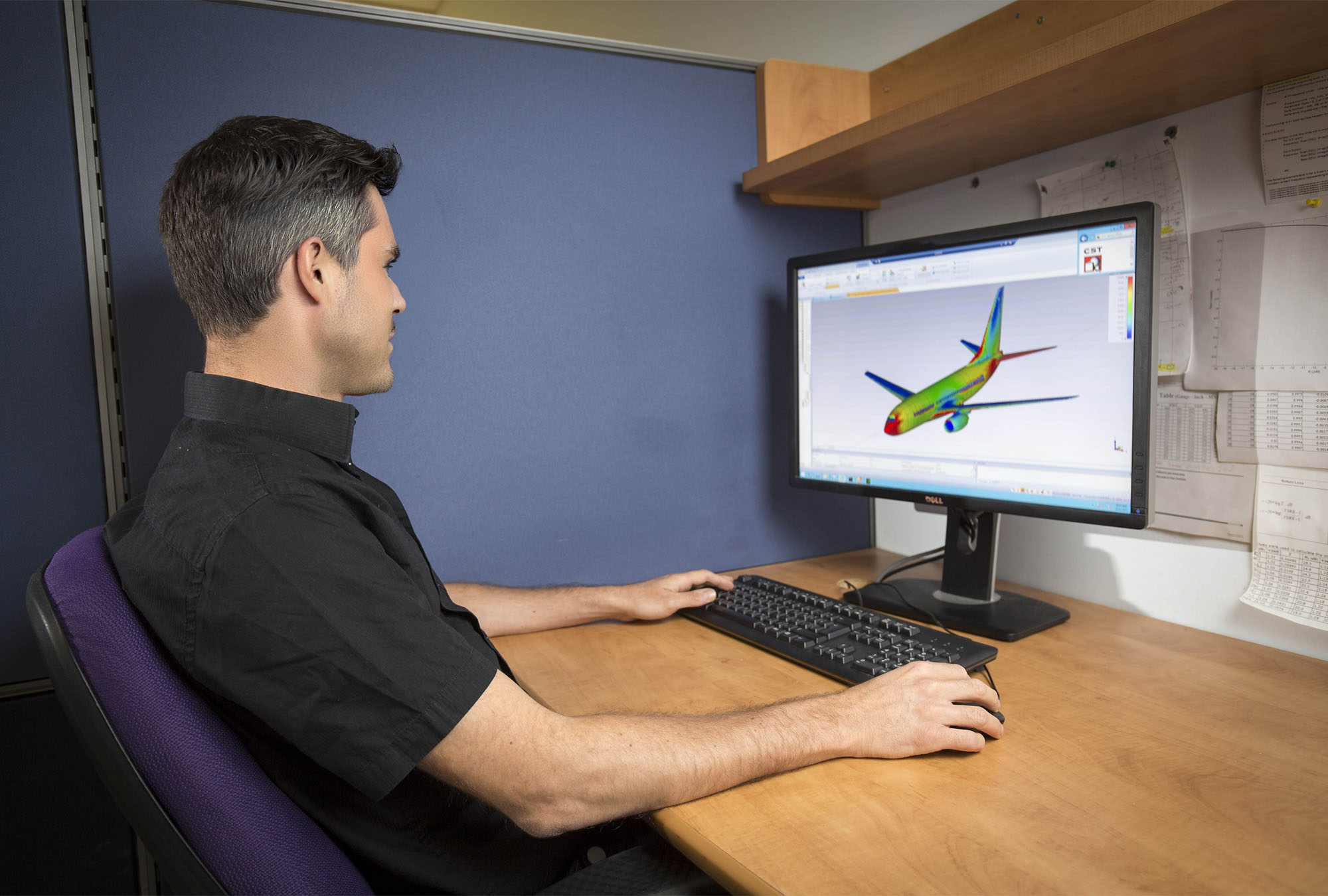
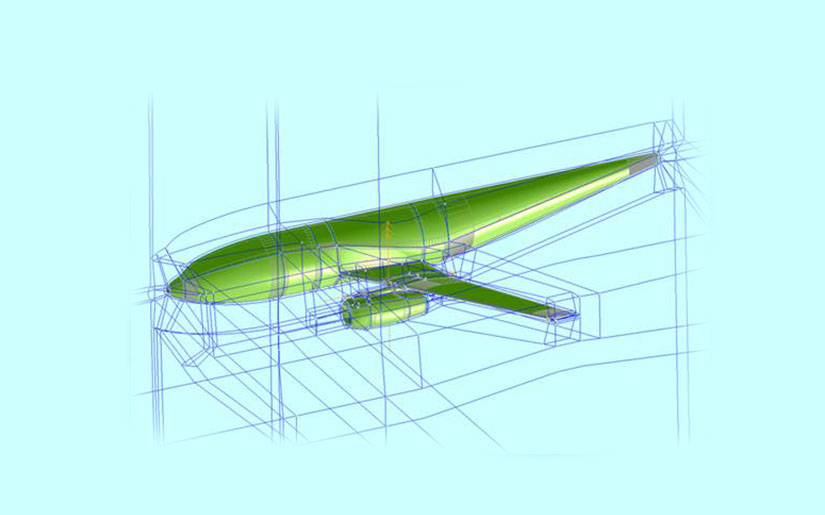
The tools cover a large spectrum of simulations across subsonic, supersonic, and hypersonic regimes, with or without combustion processes, delivering broad applicability for various flight vehicle designs.
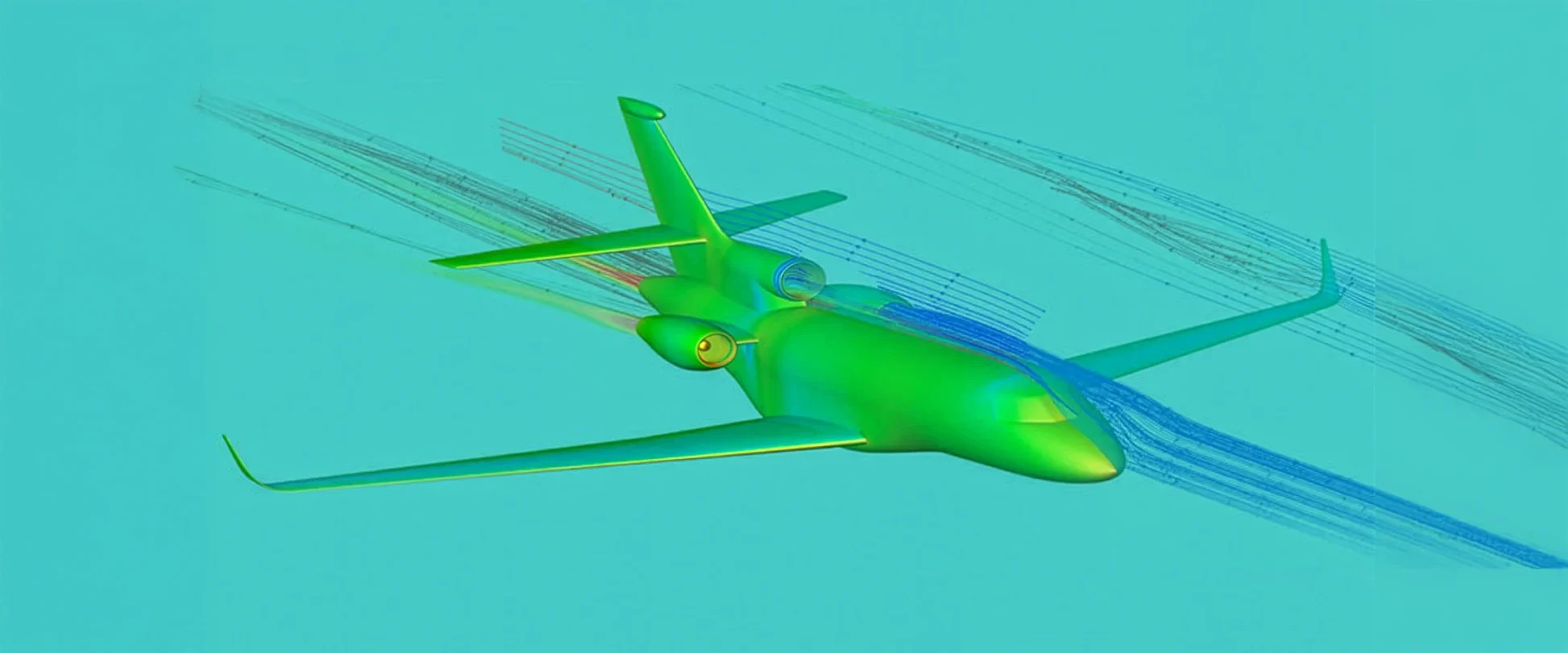

OVERVIEW
In-house CFD codes R&D for flight vehicle platform aerodynamic design and optimization rely on both accurate structured and unstructured solvers. The development process covers all stages — from fast mesh generation to massive HPC simulations and efficient post-processing — enabling advanced aerodynamic analysis and performance refinement.
HIGHLIGHTS
- Comprehensive CFD tools for mesh generating, accurate simulations and optimization
- Software engineering research & development solutions for wind tunnel measurements and CFD codes calibration
- Exclusive R&D technologies development for Hypersonic CFD tools
- R&D for complex unsteady flow
- CFD infrastructure for NAVAL complex simulations
- CFD code from the continuum regim to rarefied gas dynamics
Values & Benefits
Starting from fast structured and unstructured mesh generation, the tools provide high-fidelity geometric modeling and rapid preparation for complex aerodynamic computations.
Massive HPC simulations allow precise modeling of aerodynamic behaviors under diverse operational conditions, ensuring accurate prediction and optimization of flight performance.