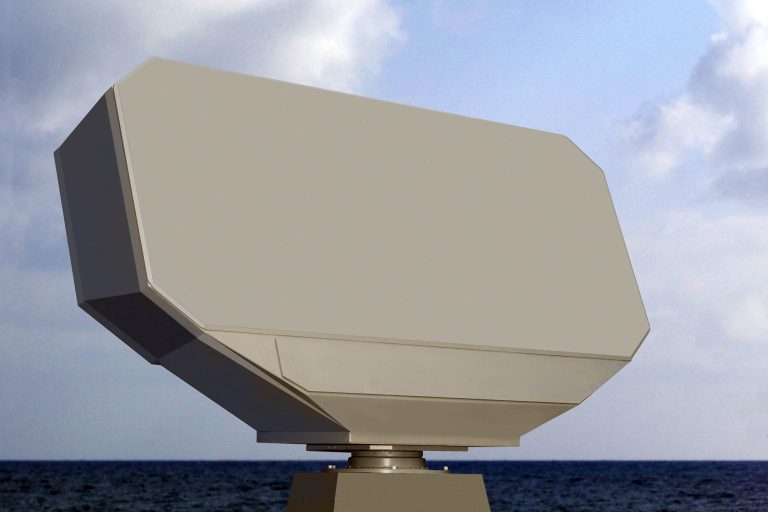
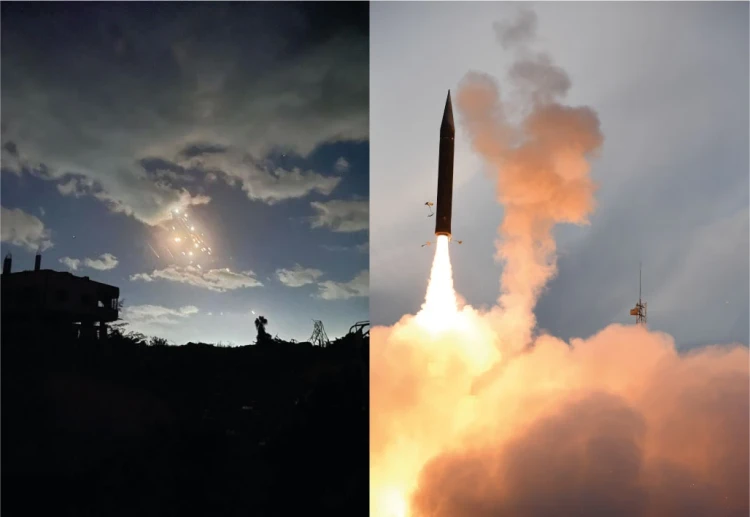
“Thirty years of hard work culminated in one night – the Iranians have changed the face of future warfare,” said IAI CEO Boaz Levy, one of the original developers of the Arrow system since its earliest days. Speaking at a conference on Operation “Rising Lion” (the 12 Days War) at Tel Aviv University, he revealed new details about the massive Iranian attack on Israel and the lessons learned from it.
Levy, who closely followed the Arrow system’s operations on the night of the attack, admitted that despite being well aware of the system’s capabilities, he was surprised by the Iranians’ boldness in launching such large salvos toward population centers.
According to Levy, when former U.S. President Ronald Reagan approached Dov Raviv – then head of IAI’s MLM division and a man deserving of much credit for the Arrow’s development – and asked him whether it would even be possible to intercept ballistic missiles in space, Raviv told him, long before Obama, “Yes we can”, adding: “There’s a lot of Israeli chutzpah in that sentence.”
Levy noted that since the project’s inception, the system has undergone dramatic changes. “It changed its form and its colors, and it greatly changed its capabilities. Arrow-1, which was a demonstrator, became the operational Arrow-2. Arrow-2, in turn, gained an additional exo-atmospheric layer.”
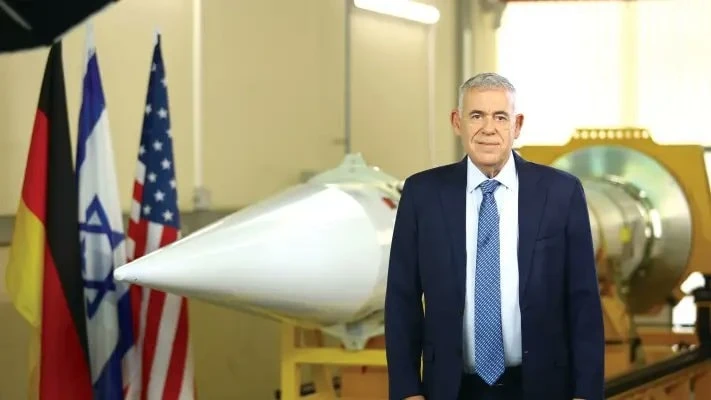
The result, Levy explained, was the creation of “a weapons system capable not only of integrating the Arrow and its capabilities, but of integrating all the defence systems connected to it. That’s what essentially allowed us, as citizens, to sleep peacefully that night.”
Levy, who was involved in the Arrow project as a guidance and control engineer, chief engineer, program head, and ultimately the inventor of the Arrow-3, described his feelings on the night of the attack: “I was sitting at home; I wasn’t surprised by the capabilities. I was surprised by one thing – the audacity of the Iranians to fire such large barrages toward major population centers.”
According to him, the Iranian attack shattered existing assumptions: “We all knew the Iranians would fire missiles. But to break the paradigm and see such massive salvos – that means the face of future combat has changed.” Levy warned that from now on, “we can expect to see more intense barrages of ballistic missiles.”
“The defence worked”
Despite the scale of the attack, Levy expressed satisfaction with the Arrow’s performance: “It was a surprise, and as you saw, the defence worked well.” He predicted that in the future such attacks could come “with far greater integration with UAVs, swarms of drones, and many other elements that require more and more forward-thinking about the future.”
Addressing criticism of the cost of interception systems, Levy stressed the importance of making the right comparisons: “For years we’ve been saying – you don’t compare the cost of an interception to the price of a missile. You compare it to the potential damage.” He added that every citizen now understands “what it means when half a ton of explosives hits a building.”
Levy outlined two main principles for future defence: First, to push the interception layer higher. “The higher it is, the more we solve most of the problems and challenges posed by Iranian missiles.” Second, he emphasized that the Iranian missiles “were not simple missiles, and we do not underestimate them. These were missiles that were aimed at their targets, and when we did not intercept them – for various reasons – they hit.”