Mission Operation and Intelligence Center (MOIC)
All-in-one headquarters for efficient C2 of multiple UAS missions

OVERVIEW
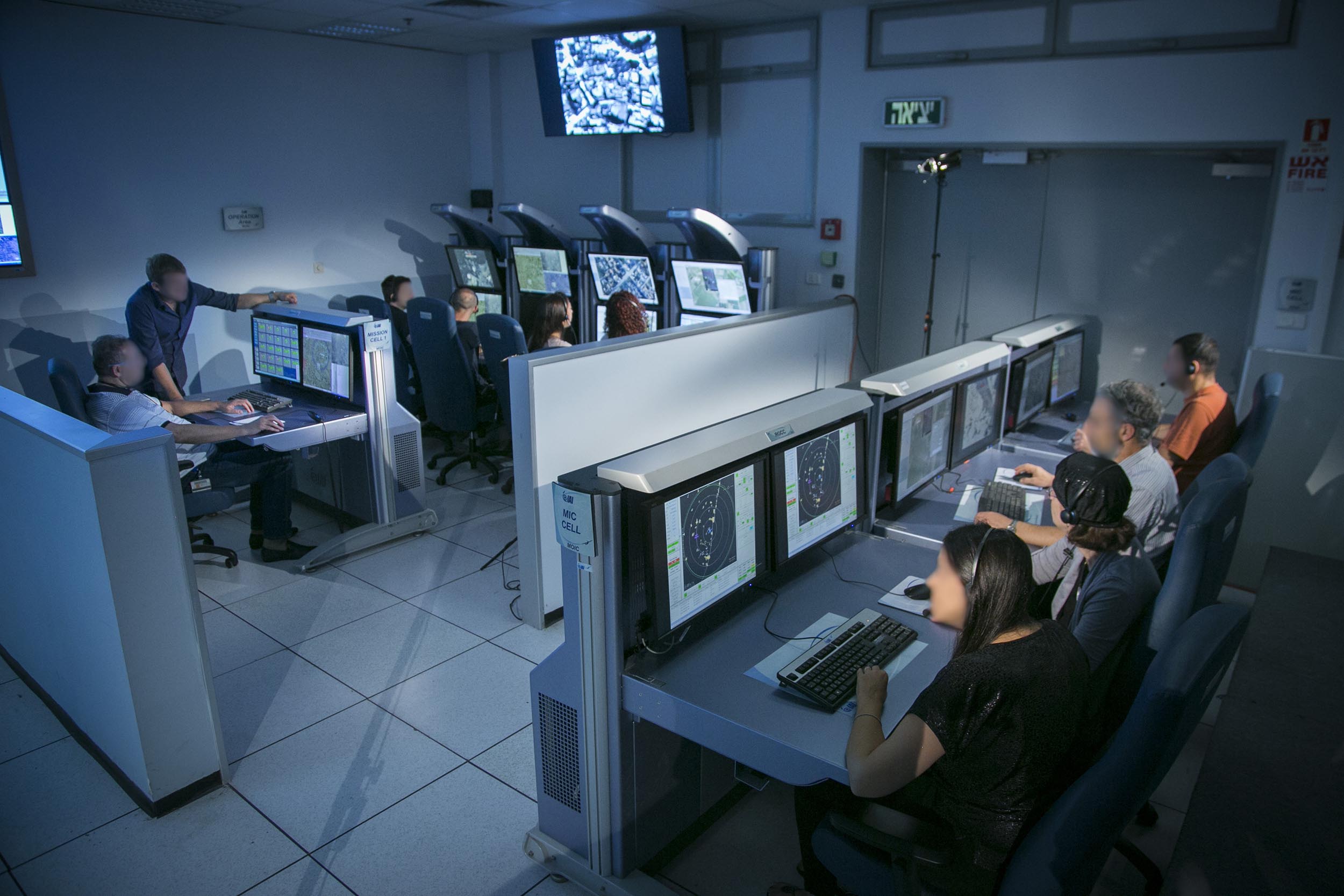
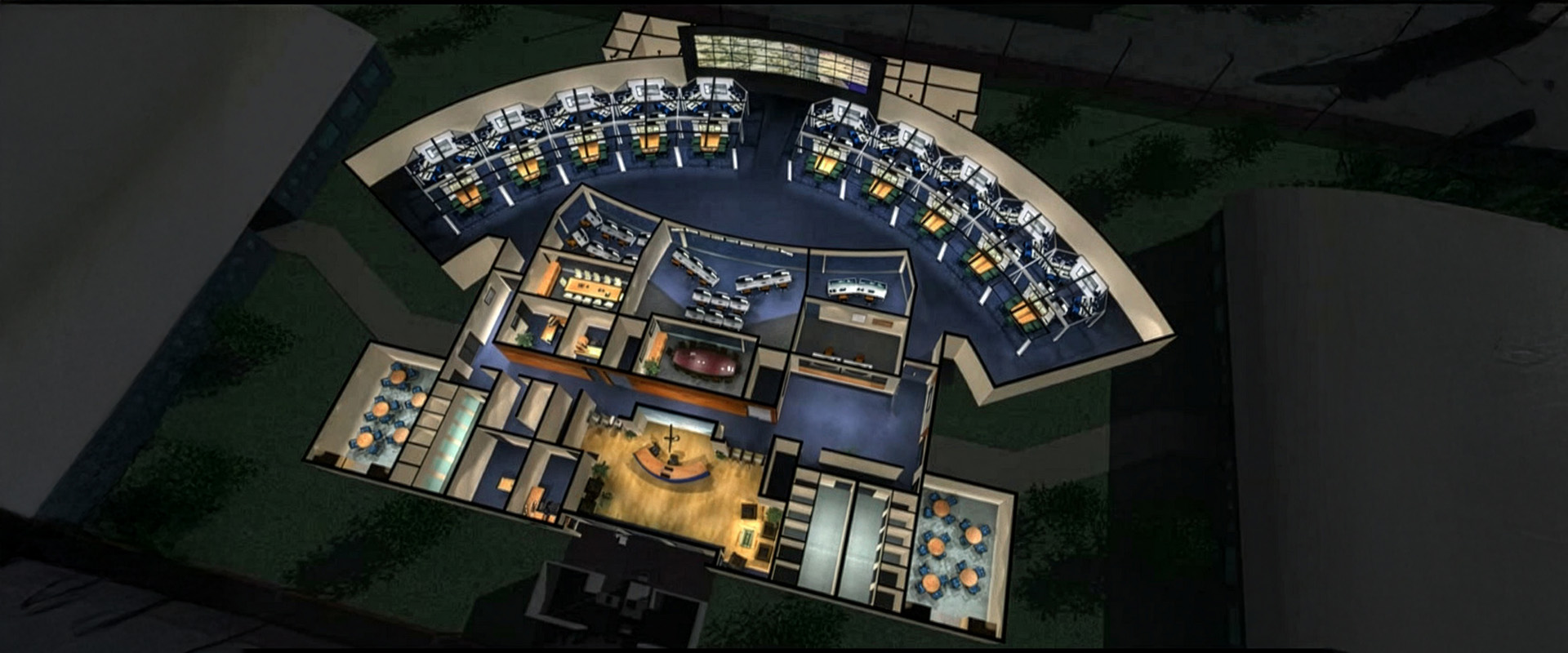
IAI’s Mission Operation and Intelligence Center (MOIC) is a centralized, all-in-one command center enabling efficient control of multiple simultaneous UAS missions, consolidating planning, execution, sensor exploitation, and intelligence production into one integrated facility for enhanced operational flexibility.
Unified Mission Elements
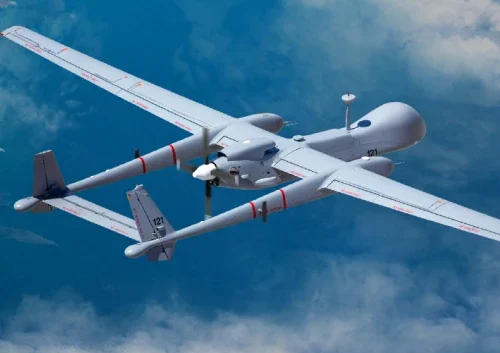
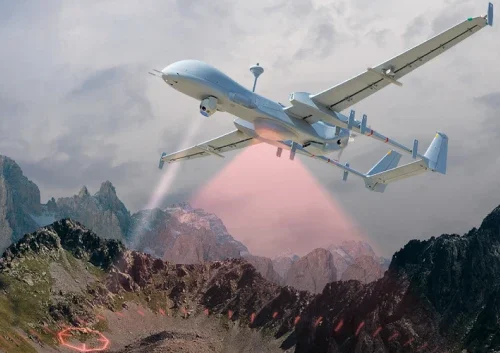
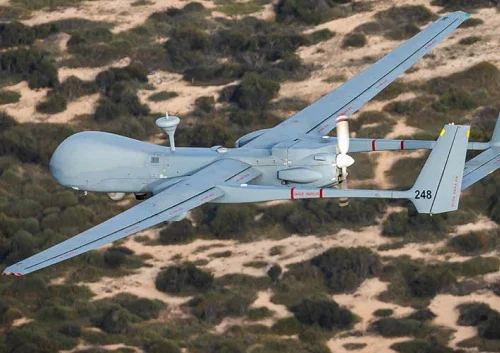
The MOIC integrates all mission elements—pilots, operators, analysts, and commanders—providing a unified operational picture that allows coordinated tasking of UAS platforms, payloads, and manned assets, streamlining mission workflows for maximum efficiency.
HIGHLIGHTS
- Execution of data gathering missions, payload status & diagnostic reports
- Exports selected data to operational users at different levels
- Receives and displays ESM and COMINT processed findings
- Maintains central archive for GEOINT of current & former missions, geographical infrastructures (DEM, Orthophoto), & intelligence production
- Receives and operates Target Imaging Requests (TIR) and Target on Demand requests (TOD)
- Maximizes fleet throughout by allocating assets according to operational priorities
- Accepts and processes Priority Intelligence Requests (PIRs)
- Interprets SAR, GMTI & EO/IR, COMINT, ESM imagery/data for intelligence production
Values & Benefits
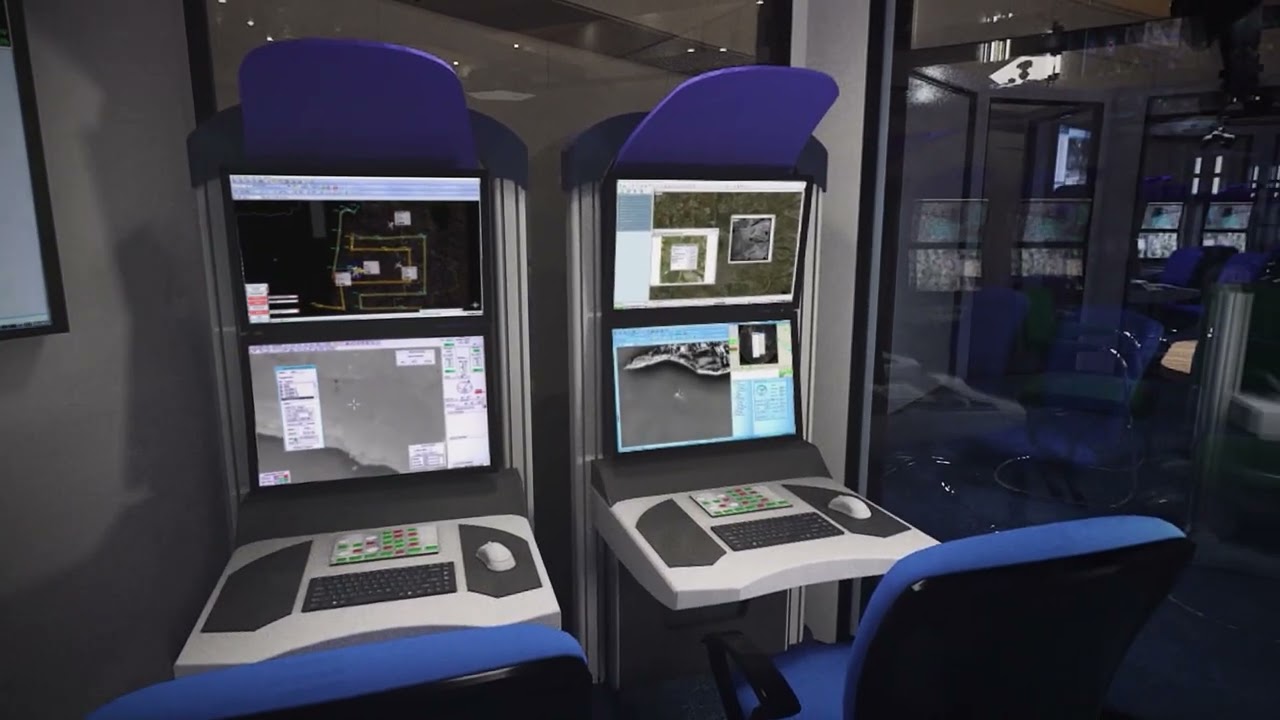
From this centralized hub, the MOIC executes collection taskings, monitors payloads, and receives processed data from multi-source sensors like EO/IR, SAR, GMTI, COMINT, and ESM. It interprets this data to generate situational awareness, update intelligence, and prioritize surveillance and target actions.
The modular design incorporates tailored cells for command, exploitation, communications, training, and support services, while an integrated mission trainer enables realistic simulations for proficiency. This flexible architecture scales to meet specific operational needs.
By unifying fleet-wide assets under one roof, the MOIC enhances force coordination, improves safety and asset protection, enables intel sharing, and conserves resources compared to disparate systems—providing major force multiplication benefits.