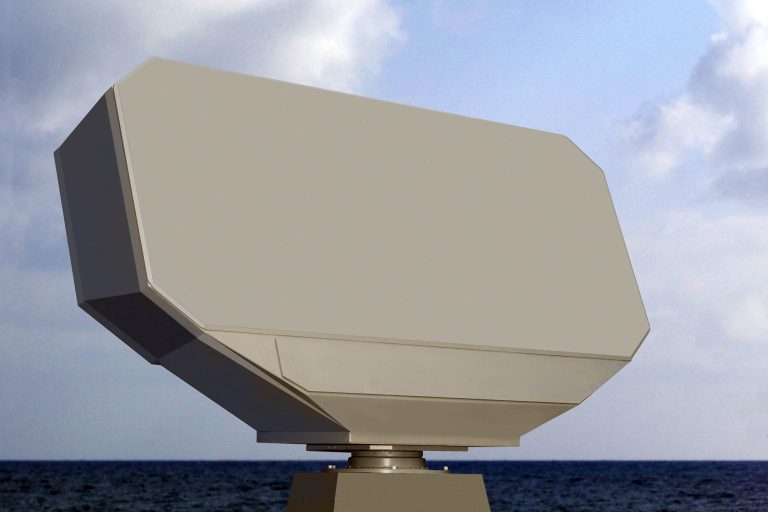
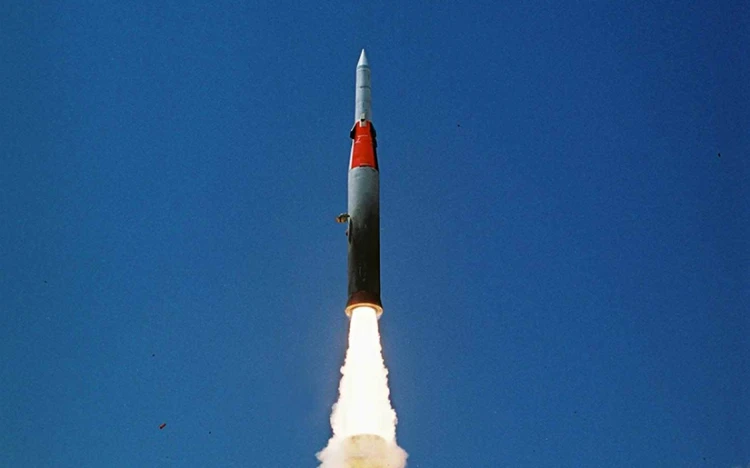
The Arrow anti ballistic missile defence system performed its first operational interception last week, against a cruise missile launched from Yemen. “We were as prepared as we could be, after training for such a situation, and performed exactly in the way we had trained – right up until the interception,” said Major A’, commander of an Arrow unit in an interview to Bamahane, the official magazine of the IDF. “We were aware that the enemy had this capability, that a threat existed, but no one called us beforehand to say, ‘get ready, it’s on its way’. This is a historic event – to act against such a specific target is a complex mission. I was the officer who conducted the intercept, it happened on my shift. I have to say that the training and preparations that we underwent gave us the confidence to be as prepared and calm as possible. And when that succeeded – it was even more meaningful for us.”
From the moment that warnings were received from the various systems, Major A’s team began to act: a whole team sees the threat, identifies it, and intercepts it in accordance with agreed procedures and rules of engagement. “The moment the interceptor was launched, there was certainly tension in the air, but ultimately when you finally get the ‘Alpha’ signal (an indication that the intercept was successful), you can relax a little. There was much tension in the intercept control center: some of us applauded, some had tears in their eyes. At the end of the day, this unit was established some 20 years ago, the success is not only mine – it belongs to all of us: it belongs to the driver who places the launchers in position; to the technician who primed the intercept missile; the army administrator who dealt with drafting the reserve soldiers – it belongs to us all,” said Major A’.
“After the interception, we received a phone call from General Tomer Bar, commander of Israel’s Air Force, congratulating us for the successful intercept, and also called our parents.” Major A’ added: “I hadn’t spoken to my parents (since the beginning of the war) until the evening of the interception. I recall that the moment that the Army Spokesman released the information (about the intercept), I forwarded it to my family’s WhatsApp group. I told them I was privileged to be the one who initiated the intercept, and that that was a source of much pride, not so much regarding my family, but rather for all the citizens of the State of Israel, in that we had succeeded, yet again, in defending them, and fulfilling the role we were tasked with performing.”