SHARE
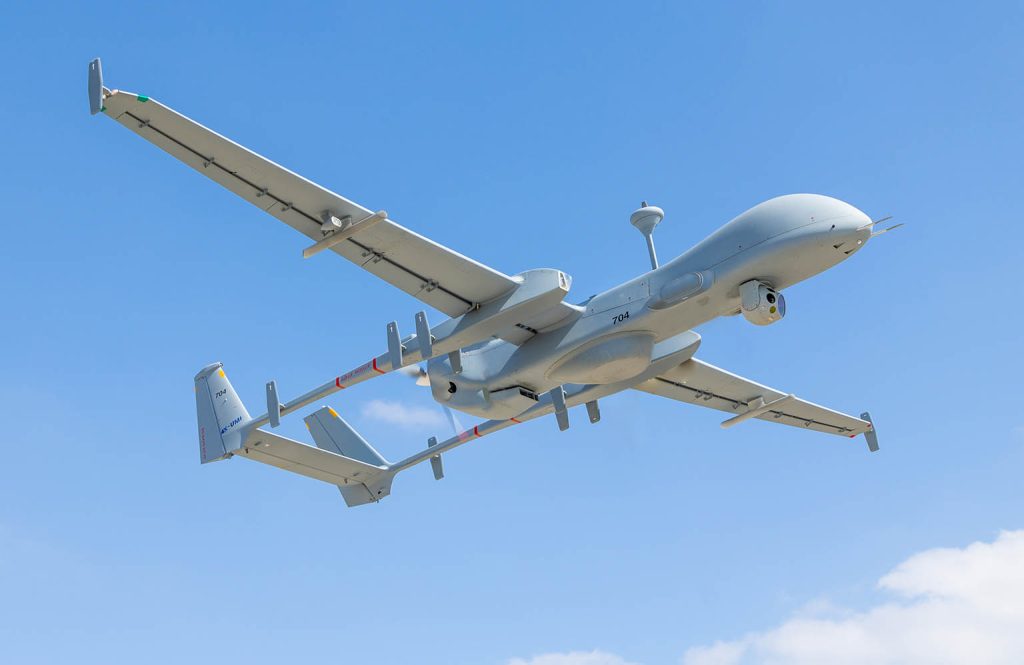
SHAREHow IAI’s Heron family evolved through real-world combat into a flexible, survivable, multi-role UAS capability for persistent ISR, dynamic targeting, and long-range operations in contested environments.
Lieutenant Colonel (Res.) Dan, an operational expert in unmanned aerial systems (UAS), with decades of operational experience in the Israeli Air Force in both manned aviation and UAS operations
Modern warfare no longer allows the luxury of static mission planning. Today’s battlefields evolve by the hour – sometimes by the minute – forcing militaries to operate across vast distances, under constant threat, and against increasingly sophisticated adversaries. In this environment, unmanned aerial systems are expected to do far more than collect intelligence. They must adapt instantly, survive inside contested airspace, support precision strike operations, and maintain operational continuity during prolonged campaigns.
This is the challenge facing modern air forces worldwide: how to create an unmanned platform capable not only of gathering information, but of actively shaping the battlefield in real time.
Recent operations – Rising Lion, Epic fury and Roaring Lion – provided a rare real-world test of these demands. Conducted in Iran during June 2025 and March 2026, the campaigns exposed airborne systems to one of the most complex operational environments imaginable: long-range missions, layered air defenses, time-sensitive targets, dynamic strike requirements, and sustained operations deep inside hostile territory.
For IAI’s MALE UAS Heron family, these operations became far more than a demonstration of endurance. They marked a defining moment in the platform’s evolution – transforming it from a traditional ISR asset into a combat-proven, multi-role operational system shaped directly by the realities of modern conflict.
Adapting Beyond Intelligence Collection
One of the most significant lessons emerging from the campaigns was the growing need for operational flexibility. Missions changed rapidly, often requiring platforms to perform tasks far beyond their original designation.
Throughout the operations, Heron systems were assigned a broad range of evolving mission profiles, including:
-
- Detection and tracking of time-sensitive targets
- Identification of ballistic missile launch systems
- Monitoring and suppression support against air defense networks
- Wide-area persistent ISR surveillance
- Maritime patrol operations
- Real-time support for dynamic strike missions
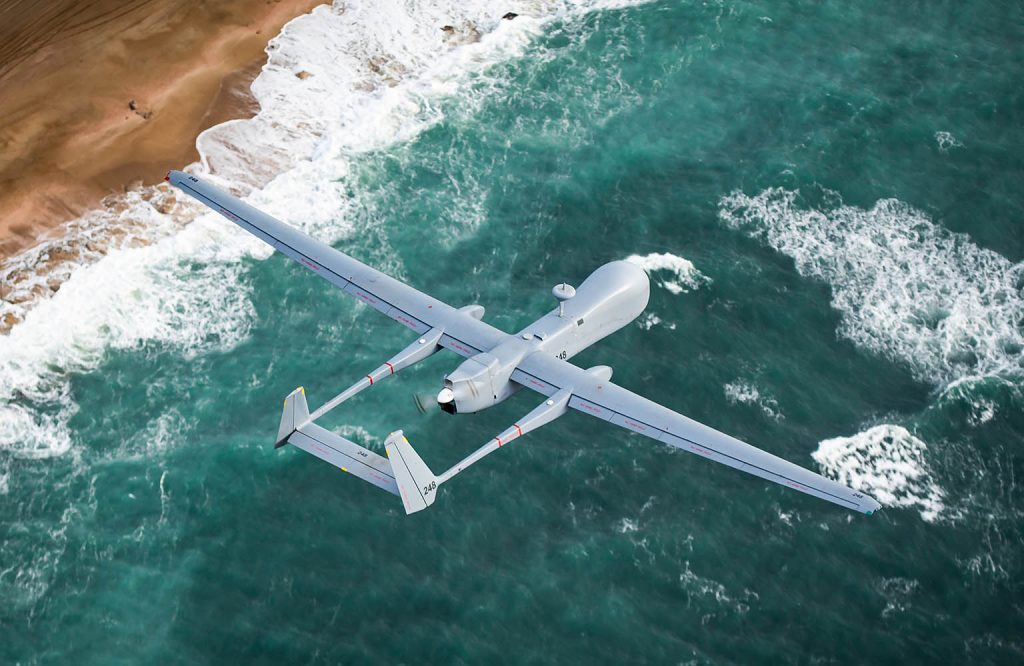
This operational agility was made possible by the Heron family’s modular open architecture and payload flexibility. Advanced electro-optical payloads, radar systems, electronic intelligence suites, external stores capability, onboard power generation, and cooling infrastructure enabled operators to rapidly tailor the platform to changing battlefield requirements.
Platforms such as the Heron TP and Heron Mk II further expanded this capability envelope, delivering greater payload capacity, extended endurance, all-weather functionality, and true multi-mission performance within a single sortie.
What emerged was not simply a surveillance drone – but an adaptive airborne operational asset capable of evolving alongside the mission itself.
Compressing the Sensor-to-Shooter Timeline
Modern combat increasingly depends on one decisive factor: speed of decision making.
In contested environments, the value of intelligence declines within moments. Targets relocate, threats emerge unexpectedly, and operational opportunities disappear almost instantly. Success depends on compressing the sensor-to-shooter cycle as much as possible.
The Heron family’s integration of advanced data processing and AI-assisted operational tools played a central role in meeting this challenge.
By accelerating the processing, fusion, and dissemination of collected intelligence, Heron platforms enabled faster operational responses and improved coordination between multiple forces operating simultaneously across different Multi-Domains.
Rather than functioning solely as an intelligence collector, the system became an active participant in operational decision-making – helping commanders identify, prioritize, and engage targets in near real time.
This capability proved particularly critical during missions involving ballistic missile systems and mobile air-defense assets, where operational windows were measured in minutes rather than hours.
Surviving Inside Contested Airspace
The campaigns also reinforced another harsh reality of modern warfare: endurance alone is no longer enough.
Operating against technologically capable adversaries required Heron crews and engineers to continuously adapt tactics, technologies, and operational procedures to maintain survivability inside defended airspace.
Lessons learned from previous conflicts were rapidly implemented and refined under live operational conditions. These adjustments improved platform resilience against detection, interception, and electronic threats while preserving mission continuity over extended operational periods.
Equally important was the evolution of distributed operational control.
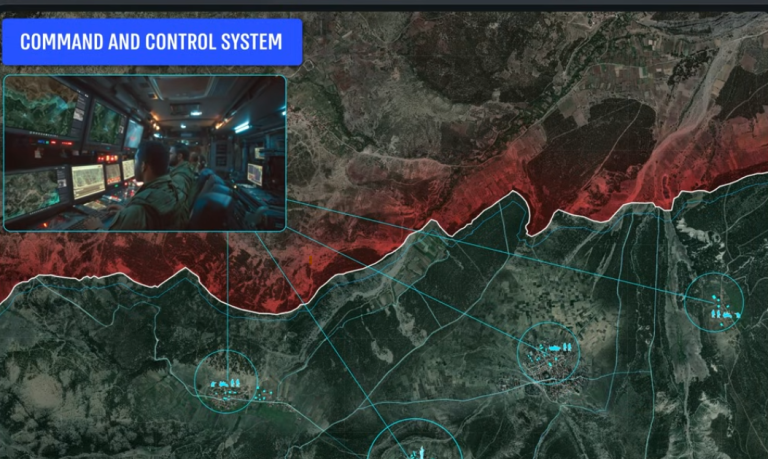
By leveraging multiple ground stations across geographically separated areas, operators were able to sustain continuous missions over several days, even at extreme distances from home bases. This distributed operational model ensured uninterrupted intelligence coverage while enhancing mission resilience across large and complex theaters.
The result was a system capable not only of reaching contested environments – but of remaining operational inside them.
Part of a Larger Operational Ecosystem
The Heron family’s evolution also reflects a broader transformation taking place across modern air power doctrine.
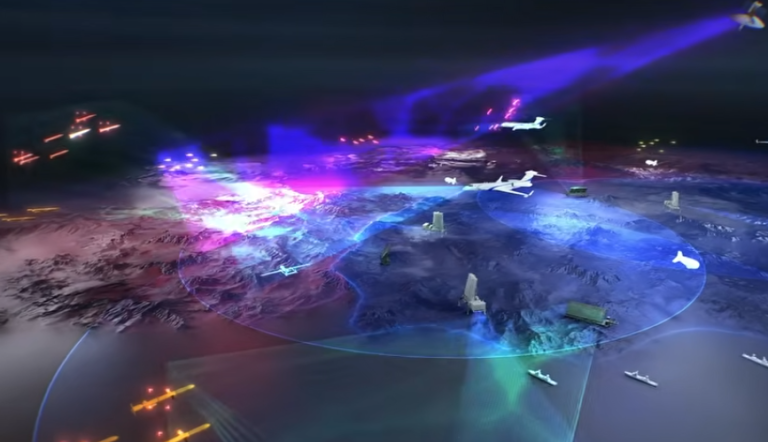
Unmanned systems are no longer isolated intelligence assets operating independently from conventional forces. Instead, they are becoming fully integrated components within layered operational ecosystems that combine manned aircraft, autonomous platforms, intelligence networks, and precision strike capabilities.
Within this framework, Heron platforms provided far more than observation alone. They supported targeting, battle damage assessment (BDA), operational coordination, and real-time strike support – directly contributing to combat effectiveness across multiple domains.
This integration significantly expands the operational value of unmanned systems, enabling them to function as force multipliers rather than supporting assets alone.
Combat as the Ultimate Development Environment
The operational experience gained during Rising Lion and Roaring Lion demonstrated something few test environments can replicate: the ability of a system to evolve under the pressure of real combat.
The Heron family emerged from these campaigns not simply validated – but transformed.
What began as a long-endurance ISR platform has matured into a flexible, survivable, and adaptive operational asset capable of supporting multi-domain warfare under the most demanding combat conditions.
Its evolution reflects the growing demands placed on unmanned systems in modern conflict: endurance combined with adaptability, intelligence combined with operational integration, and survivability combined with real-time responsiveness.
And perhaps most importantly, it demonstrates a truth increasingly shaping the future battlefield:
In modern warfare, the systems that survive are not merely the most advanced – but the ones capable of learning, adapting, and evolving while the fight is still underway.
Consult with an IAI Expert
Have a question or need more details?
Our specialists are here to help you find the right solution